Quick Answer
An Ayurvedic grocery list focuses on fresh, seasonal, and whole foods. Prioritize warm, cooked meals, healthy fats like ghee, and fragrant spices like cumin and ginger. By choosing ingredients that are easy to digest and locally available, you can create nourishing meals that support your daily routine without needing complex or expensive specialty products.
Transitioning to an Ayurvedic way of eating does not require a complete kitchen overhaul or rare ingredients. At its heart, this approach emphasizes fresh, seasonal, and easily digestible foods that align with your unique needs. This guide offers a practical starting point for your grocery list, helping you choose pantry staples and fresh produce that bring a sense of balance and warmth to your home cooking every single day.

Best Fit
This guide is for anyone looking to simplify their kitchen habits. It works best if you enjoy preparing home-cooked meals and want to incorporate more mindful, seasonal choices into your daily diet.
Main Problem
Many people feel overwhelmed by complex dietary rules. The main challenge is finding simple, accessible ingredients that fit into a busy life while honoring the principles of seasonal, warm, and fresh eating.
What To Check First
Before you head to the store, review these five essential categories to ensure your kitchen is stocked for success and balanced, nourishing meals:
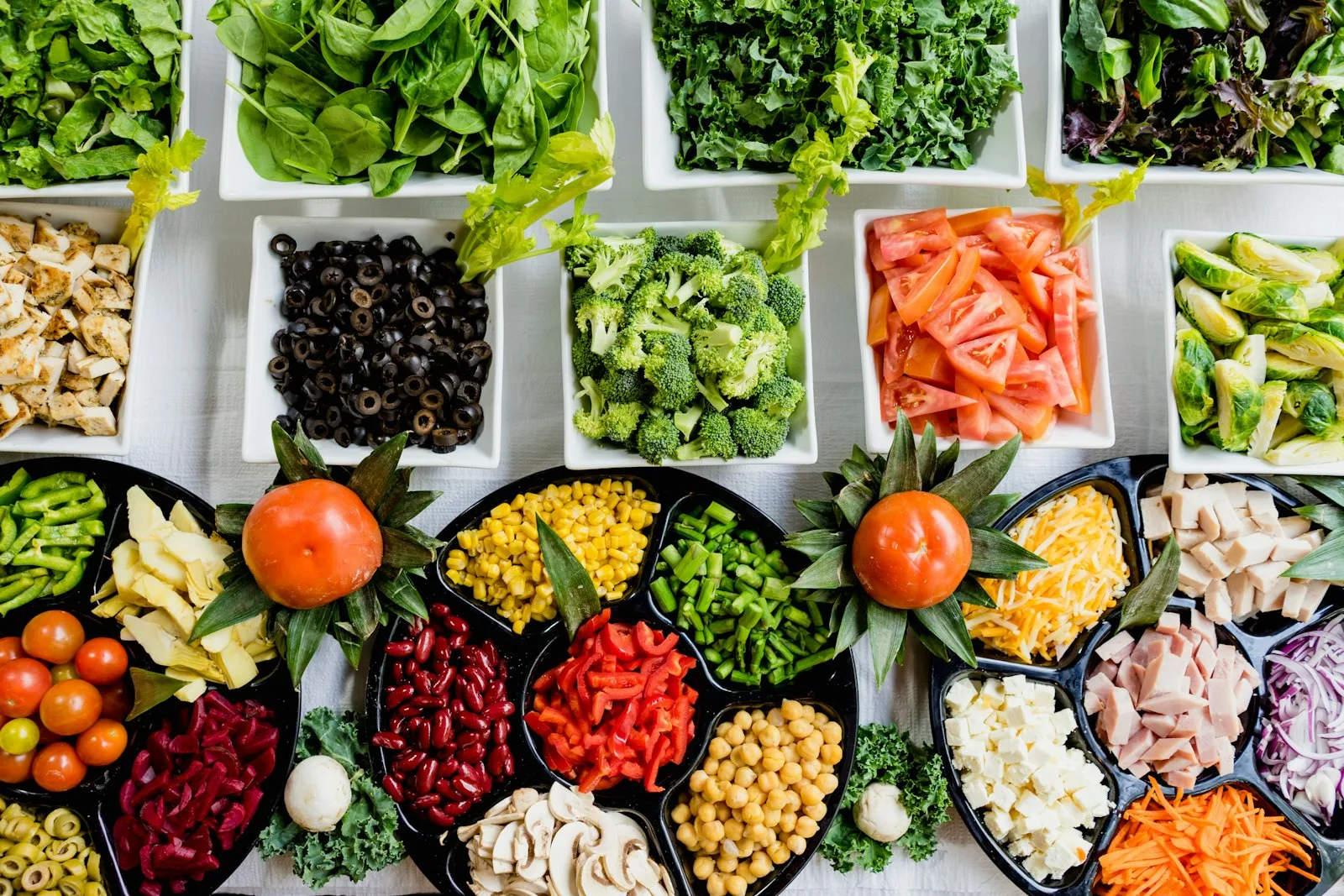
- Fresh, seasonal vegetables and fruits
- Whole grains like basmati rice
- Red lentils and mung beans
- Healthy fats including organic ghee
- Warming spices like fresh ginger
Comparison Table
| Decision Point | How To Think About It |
|---|---|
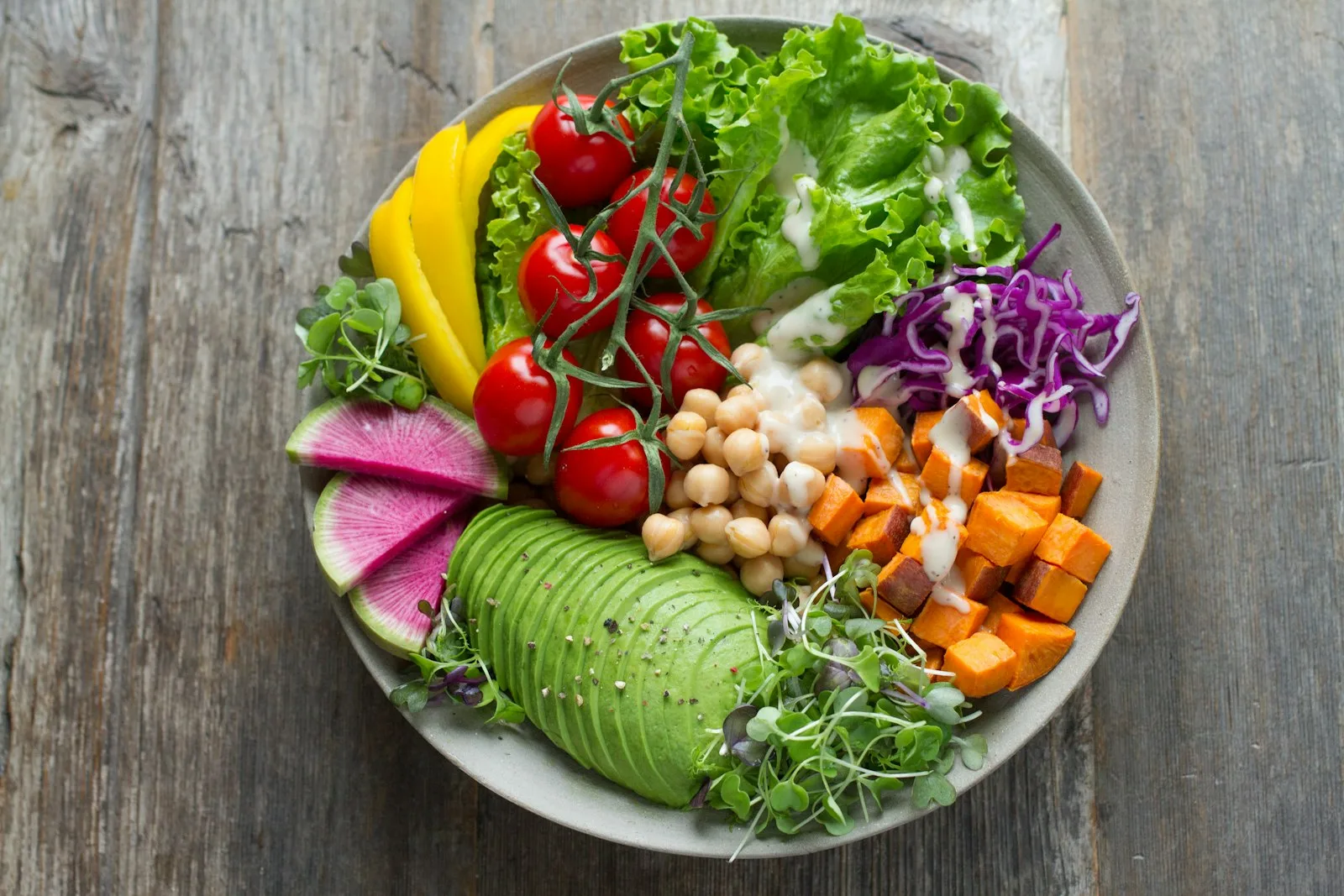
| Choosing Vegetables | Focus on seasonal produce grown in your local climate. Cooked vegetables are generally easier to digest than raw salads, especially during cooler months of the year. |
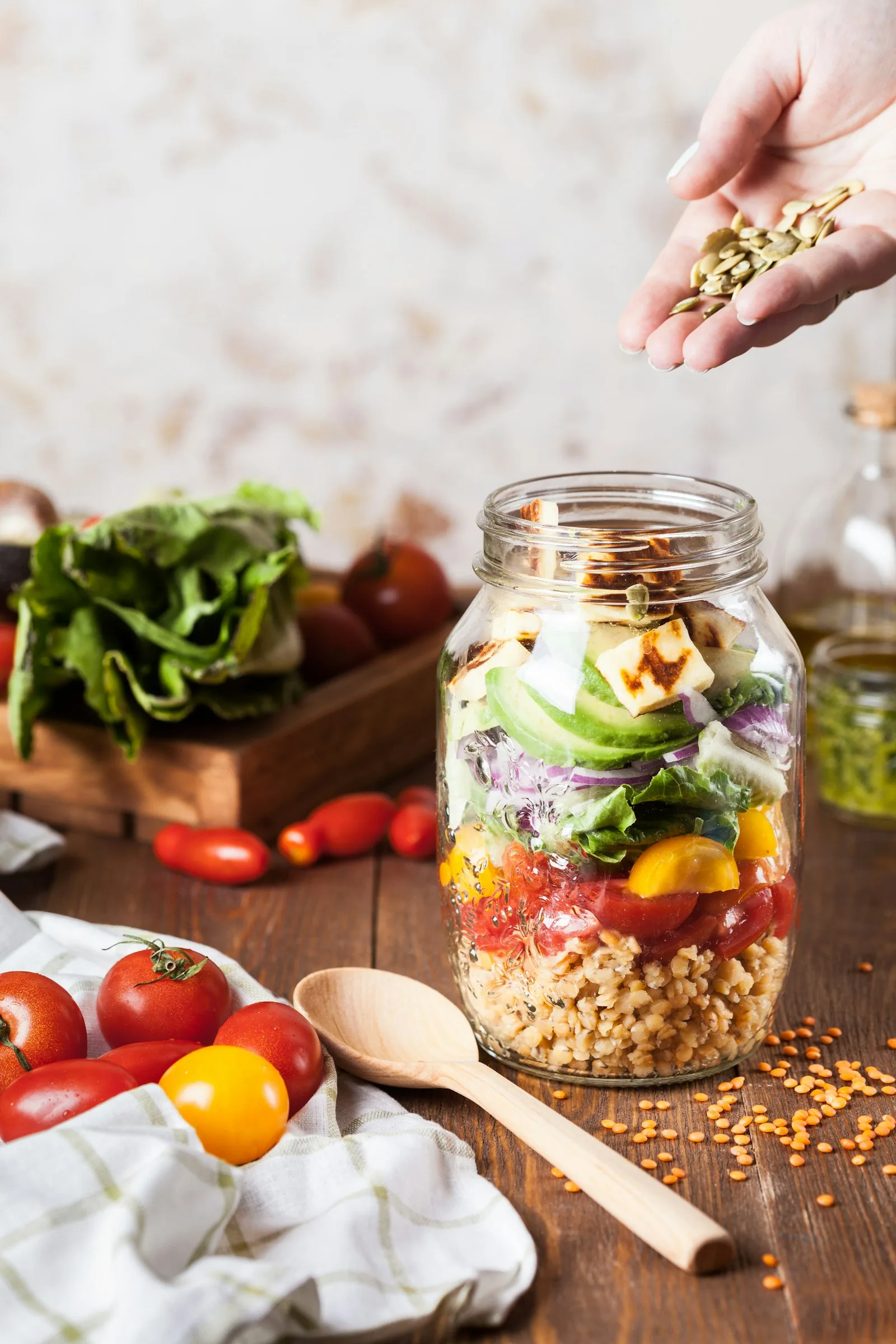
| Selecting Grains | Basmati rice and quinoa are excellent staples. They are light, easy to prepare, and serve as a perfect foundation for spiced lentil soups or vegetable dishes. |
| Using Healthy Fats | Ghee is a traditional staple used for cooking and flavor. If you prefer plant-based options, cold-pressed coconut or olive oil are useful alternatives for your kitchen. |
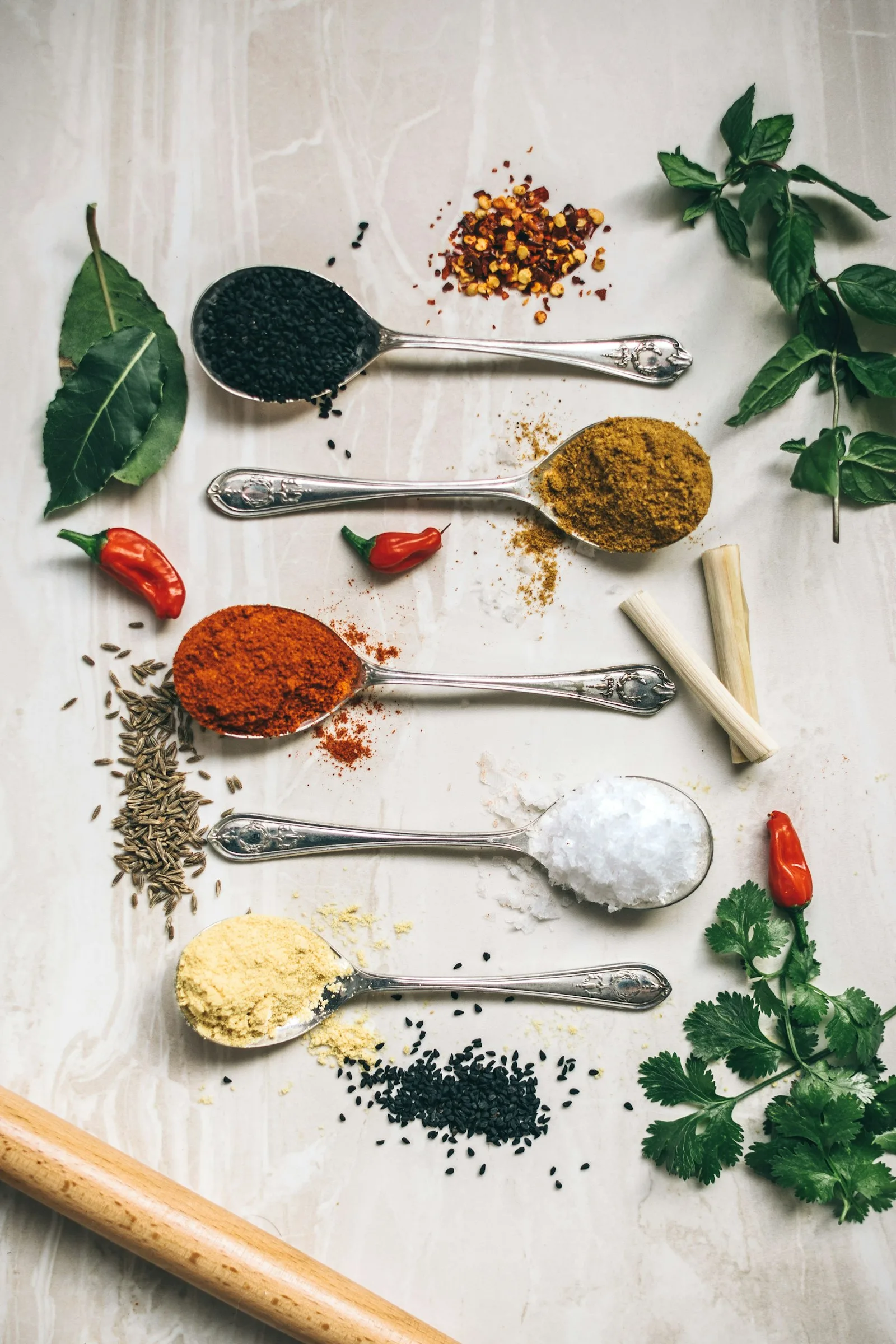
| Adding Flavor | Keep a small selection of spices like cumin, turmeric, and fennel seeds. These aromatics help support digestion and add depth to your simple, home-cooked meals. |
Simple Starter Plan
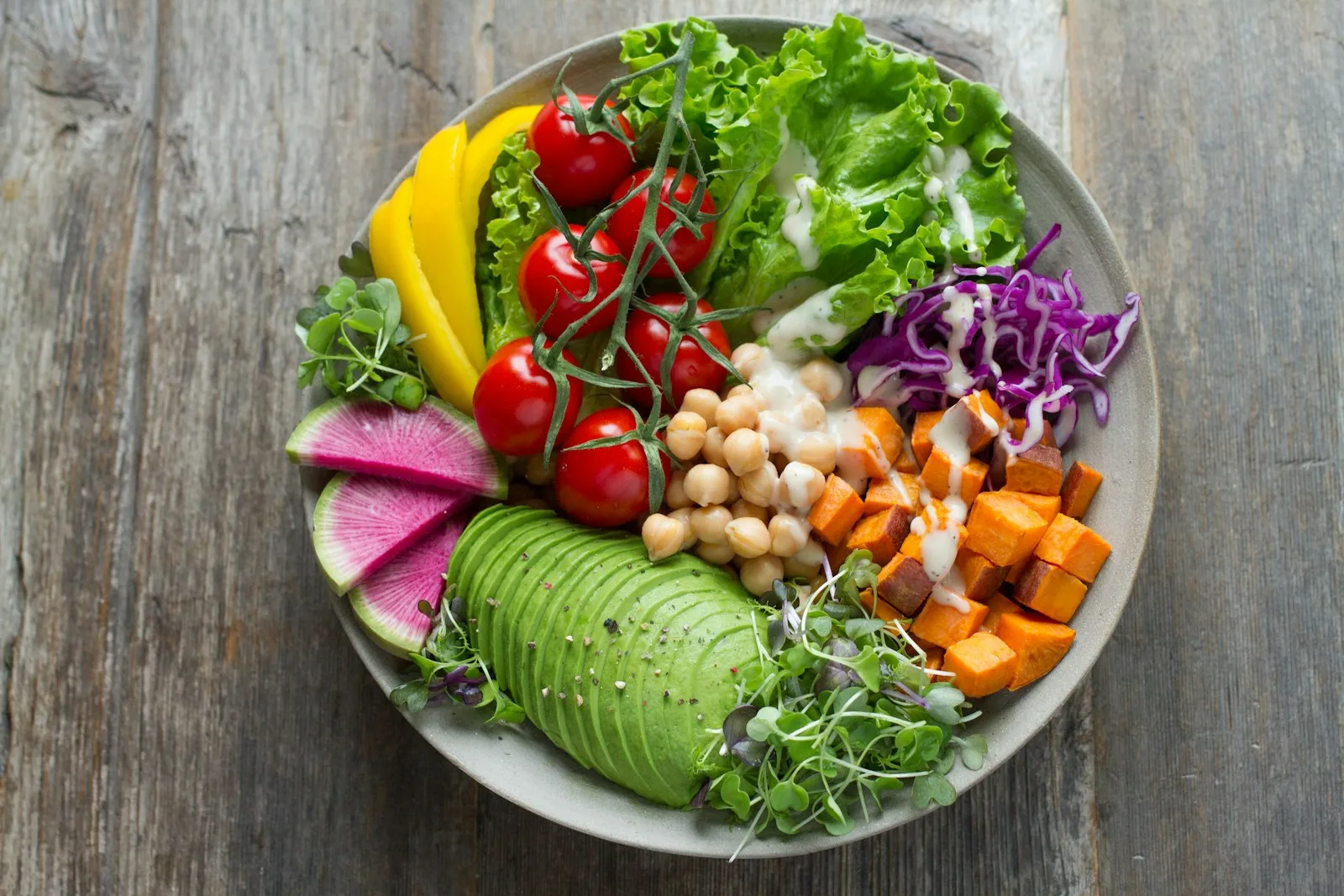
- Visit your local farmers market to identify which vegetables are currently in season in your specific region.
- Clear your pantry of processed snacks and replace them with basic whole grains like rice and dry lentils.
- Purchase a small jar of high-quality ghee or a neutral cooking oil to use for your daily meals.
- Commit to preparing one warm, freshly cooked breakfast each morning to start your day with ease and focus.
Related Product Searches
As an Amazon Associate, this site may earn from qualifying purchases.
Ayurvedic cookbook for beginners
Explore traditional cooking techniques and balanced meal planning with these comprehensive guides designed for those new to Ayurvedic principles.
View on AmazonStainless steel spice containers
Organize your essential Ayurvedic herbs and spices in a traditional spice box to keep your kitchen pantry neat and accessible.
View on AmazonGlass food storage jars
Maintain the freshness and quality of your organic grains, lentils, and dried herbs with these durable and sustainable storage solutions.
View on AmazonCommon Mistakes

Avoiding these common pitfalls will help you maintain a sustainable and positive approach to your new kitchen routine.
- Buying too many exotic or obscure ingredients
- Relying heavily on cold, raw, or frozen foods
- Overcomplicating meals with too many competing spices
Bottom Line

Ayurveda is a personal practice centered on self-awareness rather than strict rules. Use this list as a flexible framework to nourish your body with warm, fresh ingredients. If you have specific health concerns, are pregnant, or take medications, please consult a qualified healthcare professional before making significant changes to your diet.
FAQ
Do I need to buy organic food?
While organic produce is often preferred for its quality, it is more important to choose fresh, seasonal, and whole foods that you can access consistently. Start where you are and prioritize the quality of your ingredients whenever your budget and local availability allow.
Can I eat raw salads in Ayurveda?
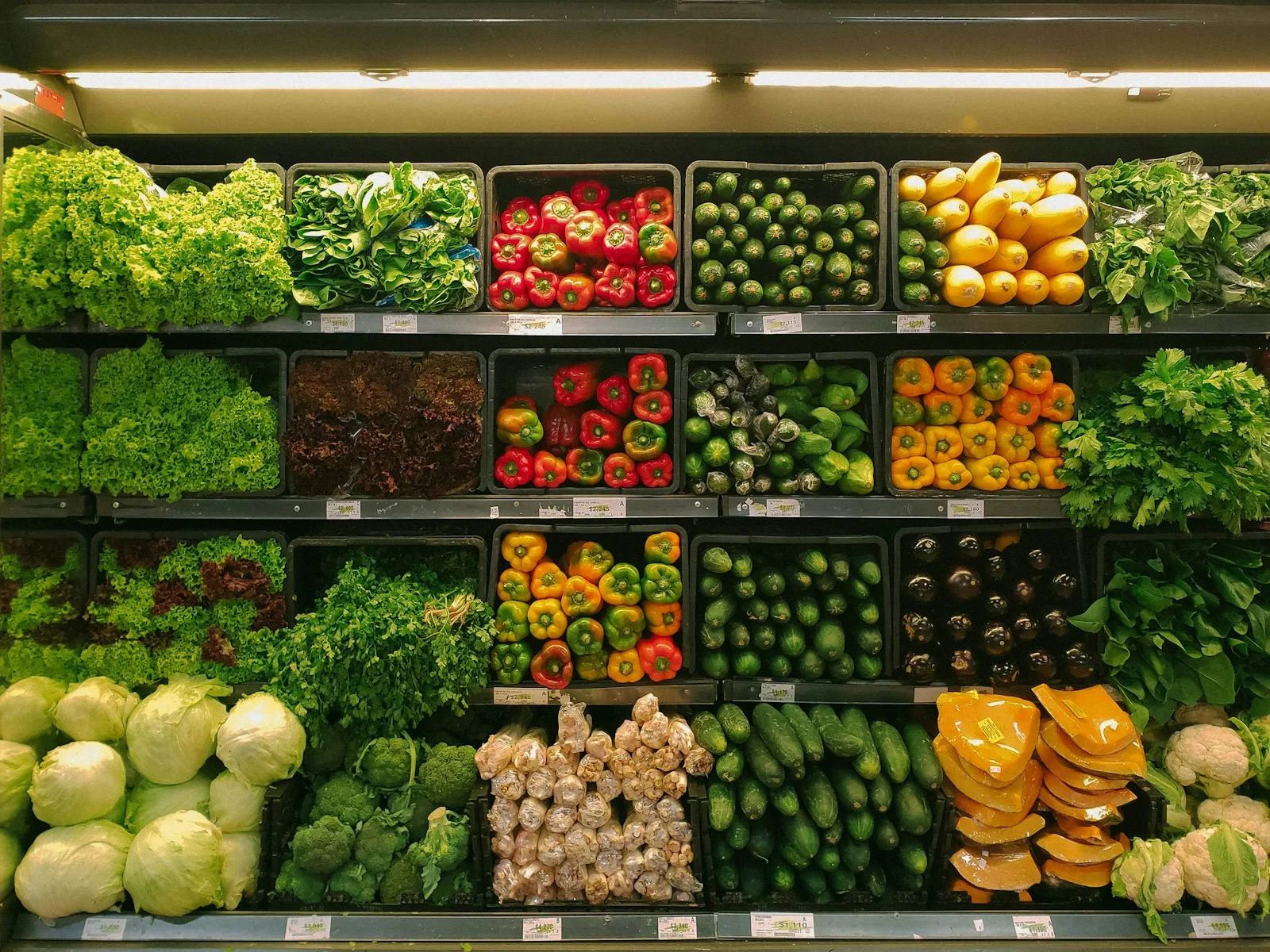
Ayurveda generally favors warm, cooked meals because they are considered easier to digest. While raw foods can be enjoyed in moderation during warmer seasons, most people feel more grounded and satisfied by incorporating cooked vegetables and grains into their primary daily meals.
Are there specific herbs I should take?
Culinary spices like ginger and cumin are great for everyday cooking. However, please speak with a qualified practitioner before using herbal supplements or potent powders, especially if you have existing health conditions, are pregnant, or are currently taking any prescribed medications.