Quick Answer
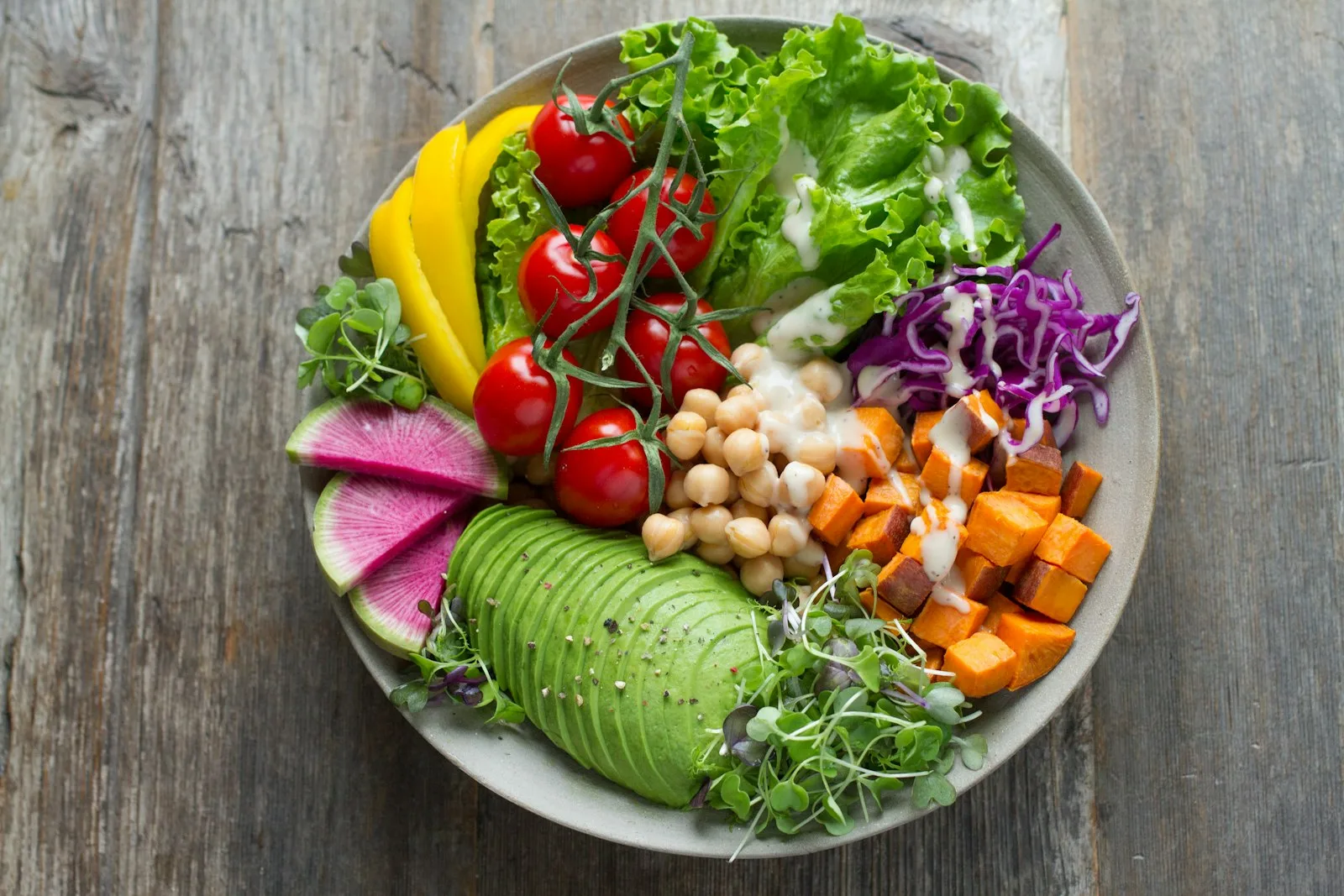
Ayurvedic meal planning focuses on preparing simple, warm, and freshly cooked whole foods. By batch-cooking foundational grains and legumes, you save time while keeping meals digestible. Focus on seasonal produce and gentle spices to create balanced plates without spending hours in the kitchen. Always consult a healthcare professional before making significant dietary changes, especially if you have existing health concerns.
When your calendar is full, finding time to prepare balanced, nourishing meals can feel overwhelming. Ayurvedic meal planning for beginners doesn't require complex rituals or hours of cooking. Instead, it invites you to work with simple, seasonal ingredients that provide steady energy. By choosing foods that are easy to digest and preparing them in manageable ways, you can maintain a sense of calm and routine even when your schedule feels hectic.

Best Fit
This approach is ideal for professionals and parents who need quick, reliable meal solutions that support digestion and focus without requiring constant time in the kitchen during the work week.
Main Problem
Busy schedules often lead to reliance on cold, processed, or irregular meals, which can leave you feeling drained. The challenge is finding a sustainable way to eat warm, nourishing food daily.
What To Check First
Before you start your weekly planning, consider these simple factors to ensure your meals support your body's needs throughout the week:
- Prioritize warm and cooked meals
- Choose seasonal and local vegetables
- Keep spice combinations simple
- Prepare grains in larger batches
- Respect your body's hunger cues
Comparison Table
| Decision Point | How To Think About It |
|---|---|
| Cooking Method | Focus on steaming, stewing, or sautéing your vegetables. These methods make food easier for your body to process compared to raw, cold salads during busy days. |
| Ingredient Prep | Cook a large pot of quinoa or basmati rice at the start of the week. This provides a reliable base for quick, assembly-style meals each evening. |
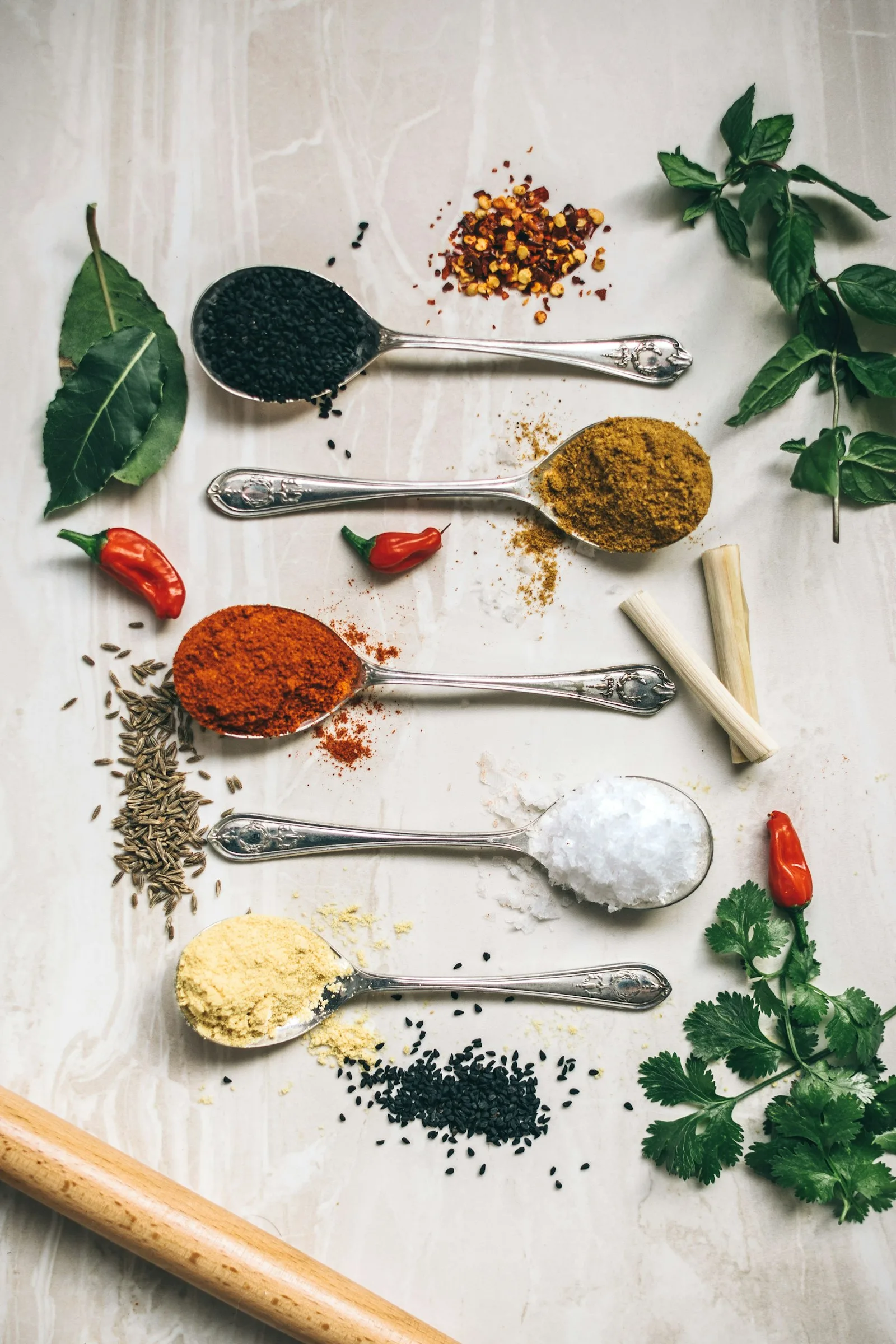
| Spice Selection | Keep basic spices like ginger, cumin, and turmeric accessible. They add flavor and support digestion without requiring elaborate preparation steps or expensive, hard-to-find ingredients. |
| Meal Timing | Try to eat your largest meal during the middle of the day. Keeping your evening meal lighter helps your body transition into rest more effectively at night. |
Simple Starter Plan
- Dedicate one hour on Sunday to wash, chop, and store fresh vegetables for the week.
- Cook a foundational grain like rice or millet to use as a base for multiple meals.
- Create a simple list of three rotation meals that you can prepare in under twenty minutes.
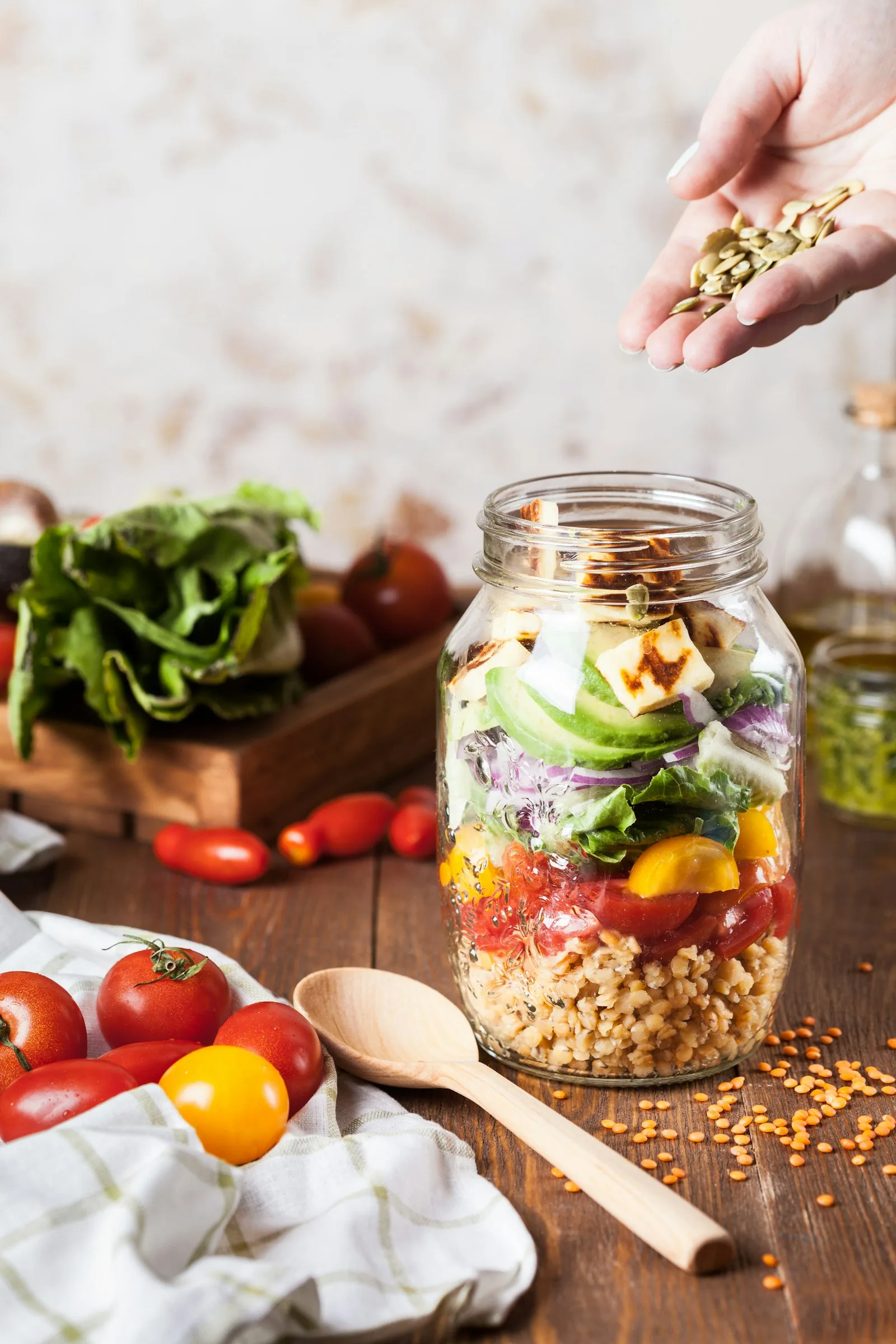
- Store pre-cooked components in airtight glass containers to keep them fresh and ready for quick assembly.
Related Product Searches
As an Amazon Associate, this site may earn from qualifying purchases.
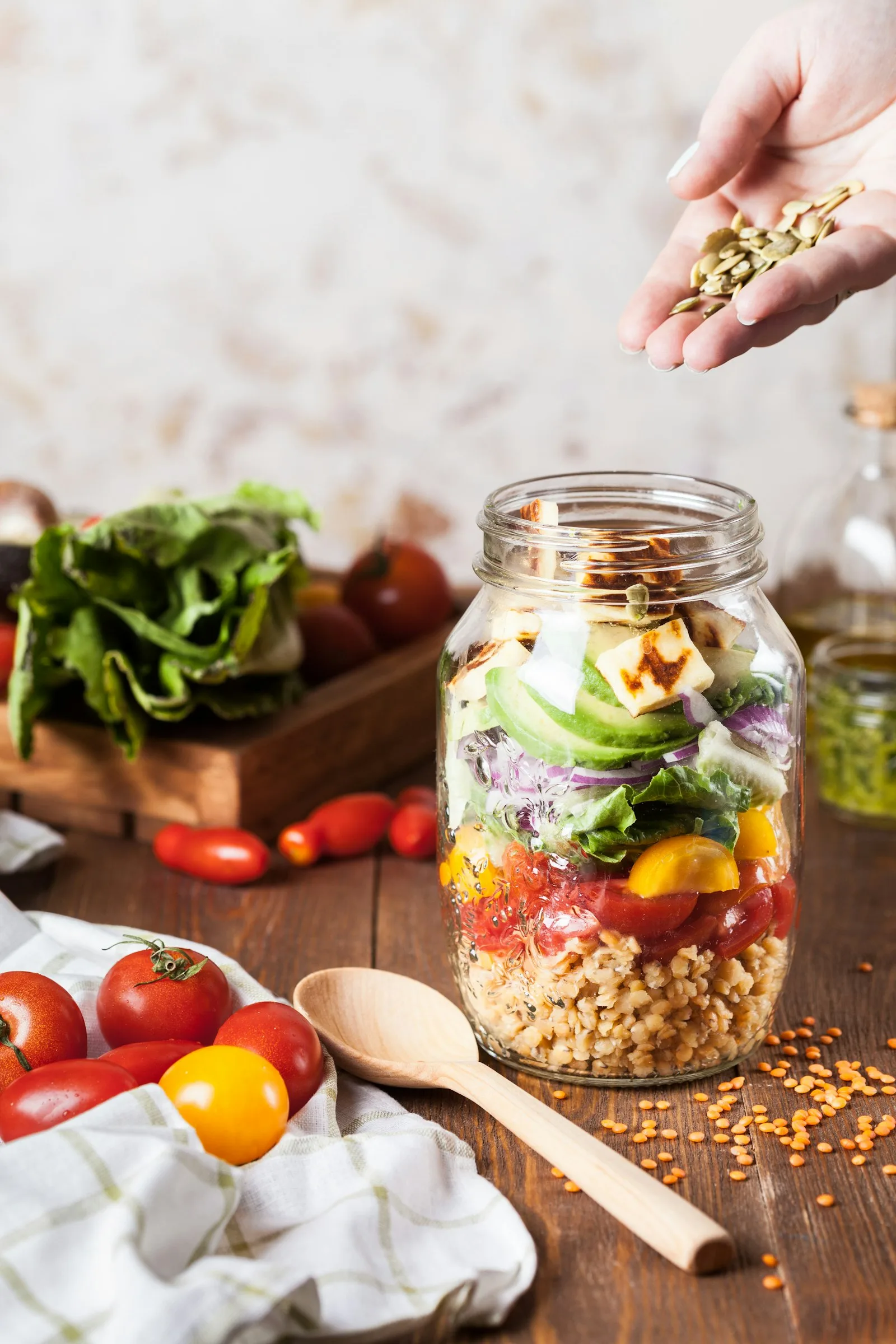
Stainless steel meal prep containers
Durable and non-reactive containers help you store pre-portioned Ayurvedic meals safely while keeping your kitchen organized during busy weeks.
View on AmazonAyurvedic cooking and recipe books
Explore a variety of traditional recipes and seasonal meal planning techniques to simplify your daily cooking routine with authentic guidance.
View on AmazonGlass spice jars for pantry
Keep your essential Ayurvedic spices fresh and easily accessible by organizing them in clear, airtight jars for efficient meal preparation.
View on AmazonCommon Mistakes
Avoiding these common pitfalls will help keep your meal planning consistent and stress-free.
- Planning overly complicated recipes for weekdays
- Ignoring the importance of warm, cooked foods
- Overlooking the need for variety in spices
Bottom Line

Ayurvedic meal planning is about creating a rhythm that serves your life, not adding more chores to your list. By focusing on simple, warm, and digestible foods, you can sustain your energy throughout the week. Please consult with a qualified professional regarding specific dietary needs, pregnancy, or health conditions before changing your routine.
FAQ
Can I prep all my meals on Sunday?
While prepping grains and chopped vegetables is helpful, Ayurveda generally encourages eating freshly cooked food. Try to prep components in advance but assemble or lightly reheat them just before eating to maintain better quality.
Is this diet suitable for everyone?
Ayurvedic principles are meant to be personalized. What works for one person may not suit another. If you have medical concerns, are pregnant, or take medications, please speak with a qualified professional before making changes.
What if I have to eat out?
Focus on choosing warm, cooked, and simple options like soups, steamed vegetables, or rice dishes. Avoid iced drinks or raw salads, and try to eat in a calm environment whenever possible.