Quick Answer
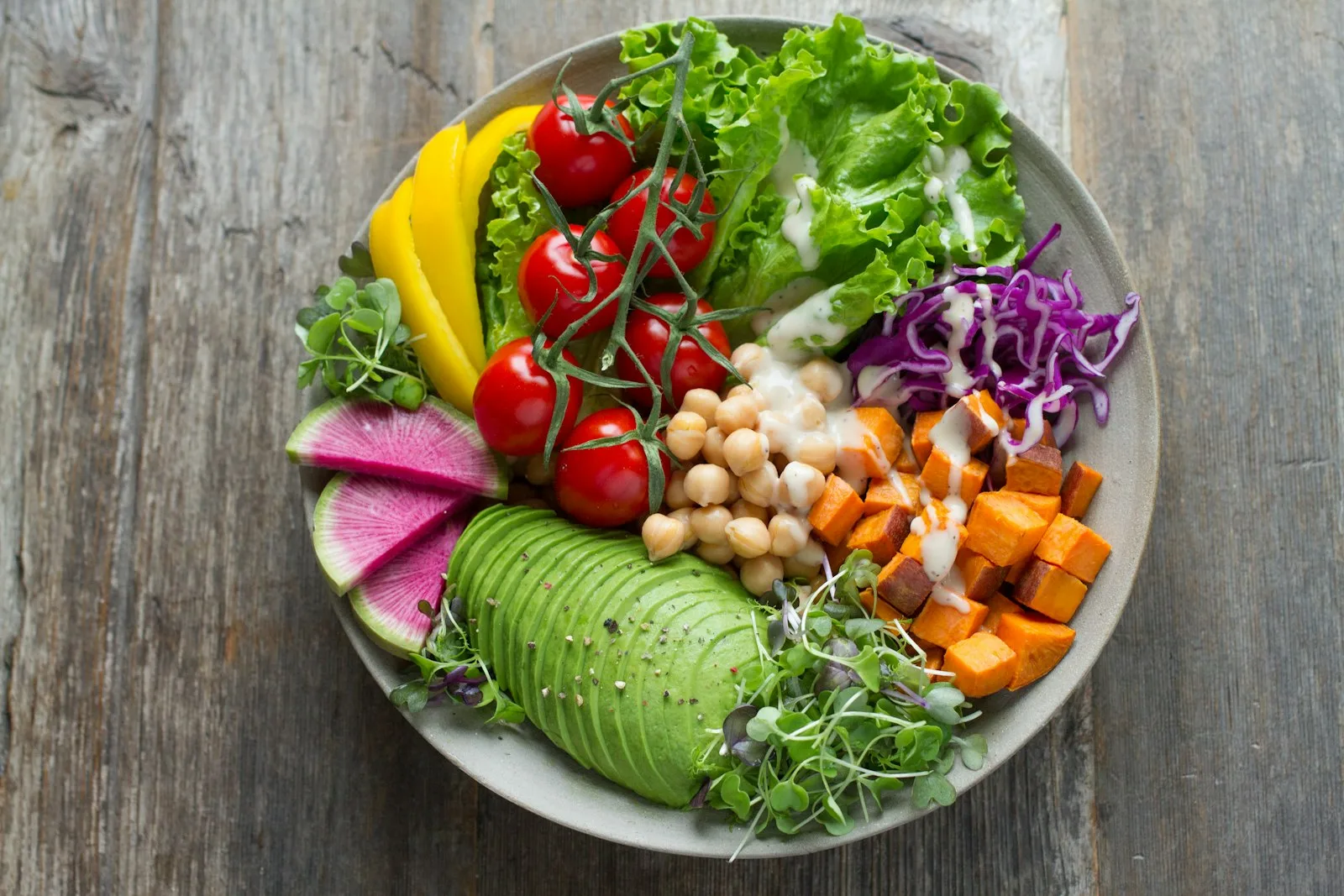
To build an Ayurvedic lunch bowl, focus on balancing the six tastes. Start with a cooked grain base, add steamed or sautéed seasonal vegetables, include a lean protein source, and finish with a small amount of healthy fat and warming spices. This approach prioritizes cooked, easy-to-digest foods that provide steady energy throughout your busy afternoon.
Lunch is often the most important meal in an Ayurvedic routine, as it is the time when your digestive fire is naturally at its peak. Building a bowl that respects this rhythm can help you feel grounded and alert. These templates provide a framework for combining fresh ingredients into a cohesive meal that supports your well-being without requiring hours of preparation in the kitchen.

Best Fit
These templates are ideal for beginners who want to move away from cold salads and toward warmer, cooked meals that feel more substantial and supportive during the workday.
Main Problem
Many people struggle with midday fatigue because they consume raw, cold, or processed foods that are difficult for the body to break down, leading to a sluggish afternoon.
What To Check First
Before you begin your lunch preparation, consider these five foundational elements to ensure your bowl is balanced, nourishing, and easy to digest:
- Use mostly cooked, warm vegetables
- Include a portion of whole grains
- Add a small amount of protein
- Incorporate a healthy fat source
- Season with digestion-friendly warming spices
Comparison Table
| Decision Point | How To Think About It |
|---|---|
| Base Grain | Choose light, easy-to-digest grains like basmati rice, quinoa, or millet. Cook them thoroughly with water to ensure they are soft and hydrating for your digestive system. |
| Seasonal Vegetables | Select vegetables currently in season. Steam or sauté them with a little ghee or oil until tender, which makes them much easier for your body to process. |
| Protein Choice | Add a moderate portion of mung dal, lentils, or firm tofu. Keep portions sensible to ensure you do not feel heavy or lethargic after your midday meal. |
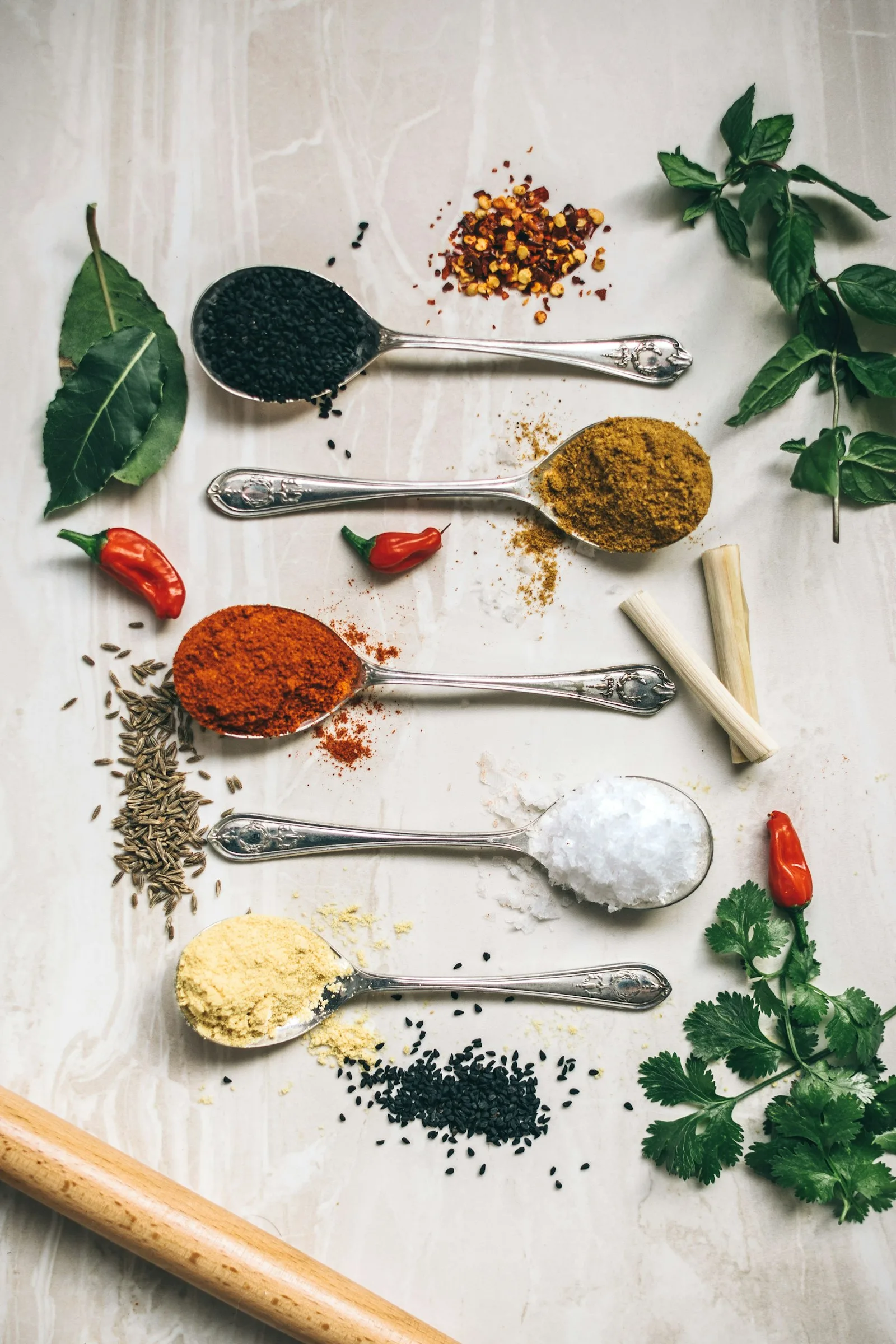
| Final Seasoning | Finish with fresh herbs like cilantro or a pinch of cumin, ginger, or fennel seeds. These simple additions can help enhance flavor and support comfortable digestion. |
Simple Starter Plan
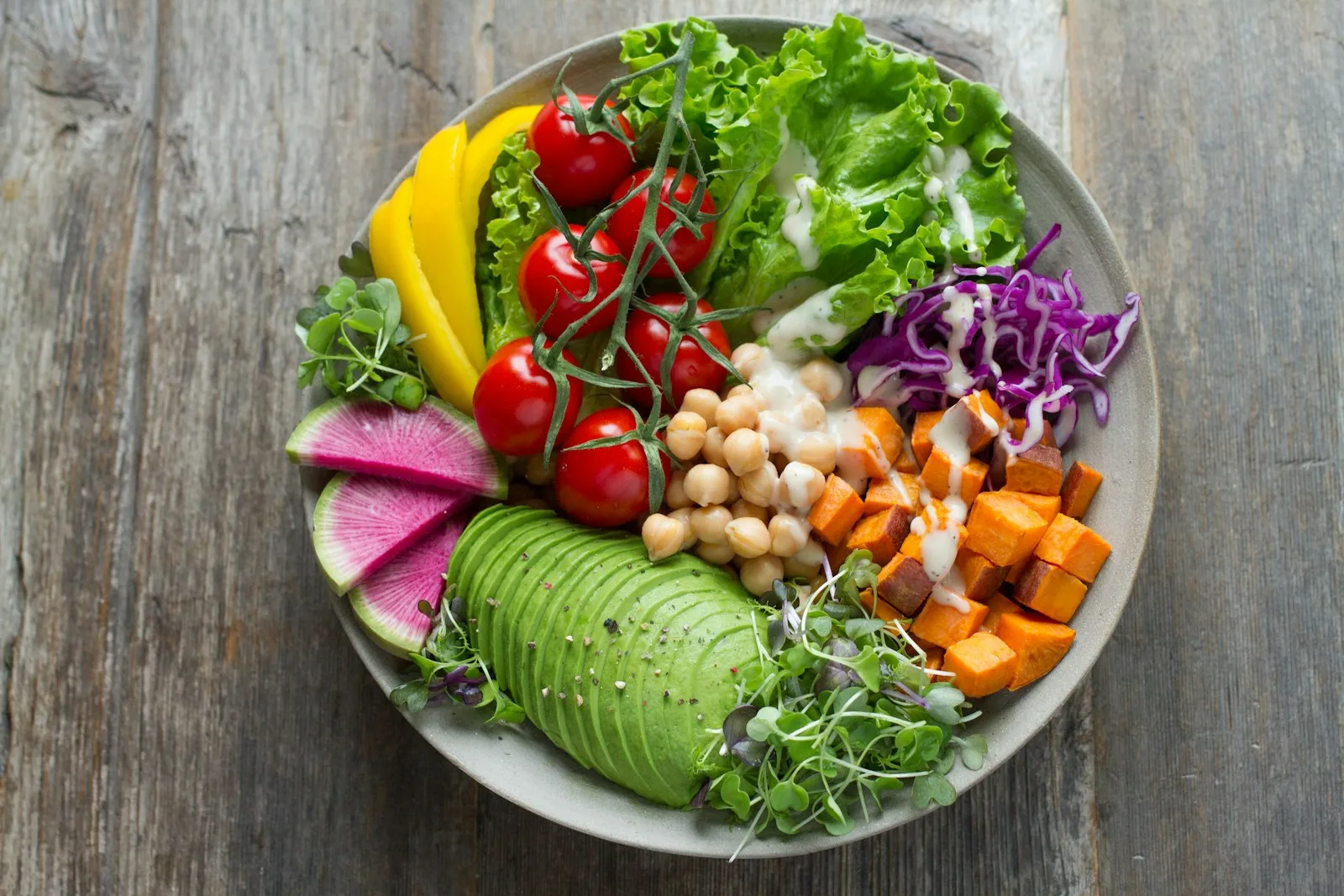
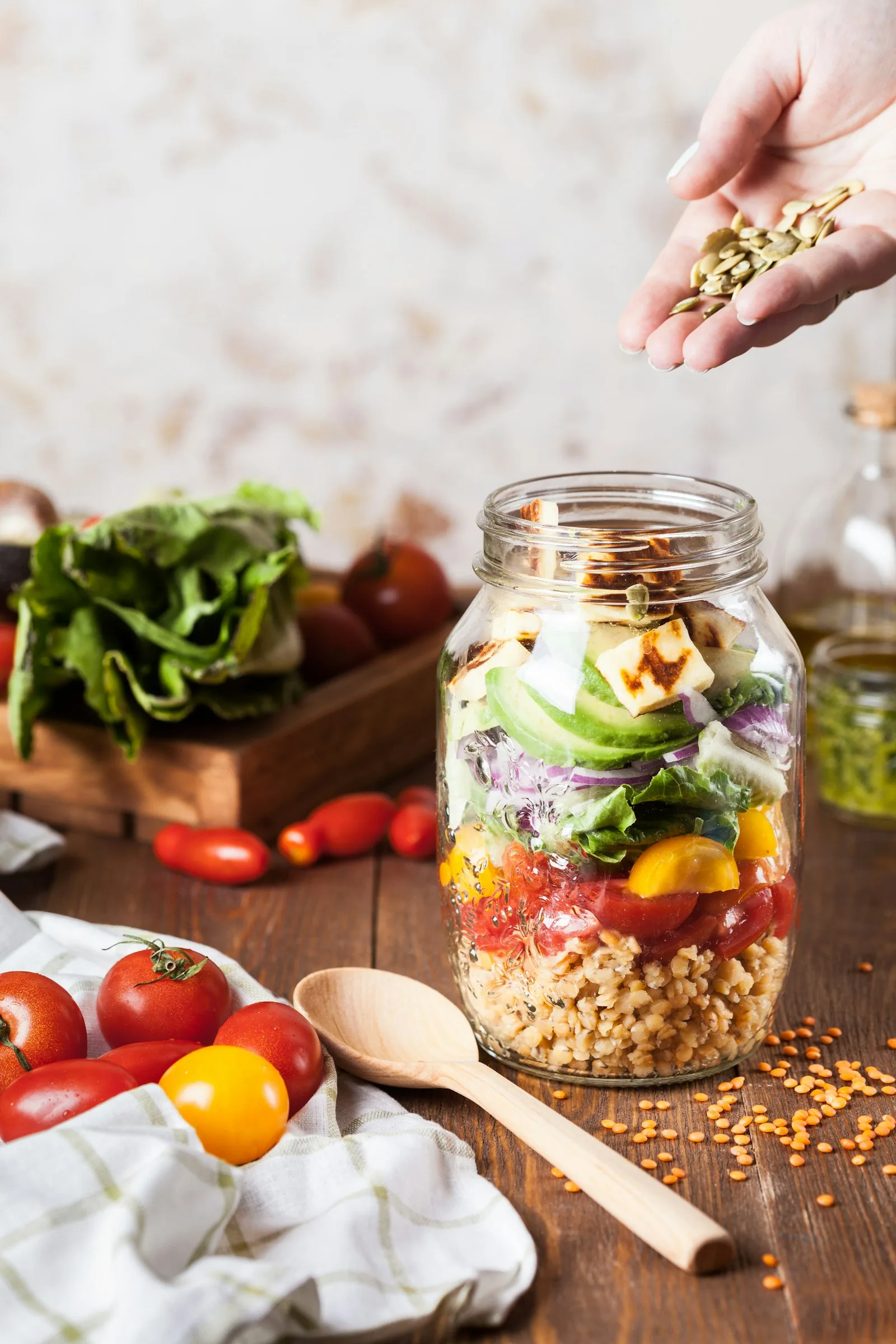
- Cook a batch of basmati rice or quinoa at the start of the week for your base.
- Steam two varieties of seasonal vegetables until they are tender and easy to chew.
- Prepare a simple dal or protein option seasoned with ginger and a touch of turmeric.
- Assemble your bowl by combining these components and topping with a drizzle of olive oil.
Related Product Searches
As an Amazon Associate, this site may earn from qualifying purchases.
Stainless steel bento boxes
Durable and non-reactive containers are ideal for packing balanced Ayurvedic meals to enjoy while you are on the go.
View on AmazonGlass food storage containers
Clear glass containers help you easily organize your cooked grains, vegetables, and proteins for a mindful lunch preparation routine.
View on AmazonAyurvedic vegetarian cookbooks
Explore a variety of plant-based recipes that align with traditional principles to inspire your daily lunch bowl creations.
View on AmazonCommon Mistakes

Avoiding these common pitfalls will help you maintain a more consistent and comfortable energy level throughout your day.
- Eating raw vegetables that are difficult to digest
- Overloading the bowl with too many ingredients
- Drinking large amounts of ice-cold water during lunch
Bottom Line

By focusing on cooked, seasonal ingredients, you can create lunch bowls that sustain your energy and comfort. If you have specific dietary needs, health conditions, or are currently pregnant, please consult with a qualified professional before making significant changes to your diet or incorporating new herbal seasonings into your routine.
FAQ
Can I eat raw salads for lunch?
In Ayurveda, cooked foods are generally preferred because they are easier to digest. While raw salads are refreshing, they can sometimes be taxing on the digestive system. Try steaming your vegetables lightly to see if you notice a difference in your energy levels after eating.
How do I know which foods are best for me?
Everyone has unique needs based on their constitution and current environment. It is helpful to observe how different foods make you feel. For personalized dietary advice or if you have underlying health concerns, please speak with a qualified Ayurvedic practitioner or healthcare professional.
Are these bowls suitable for every season?
The templates are designed to be adaptable. You should swap ingredients based on what is growing locally during the current season. This ensures you are eating foods that are naturally aligned with the climate, which is a core principle of maintaining balance throughout the year.