Quick Answer
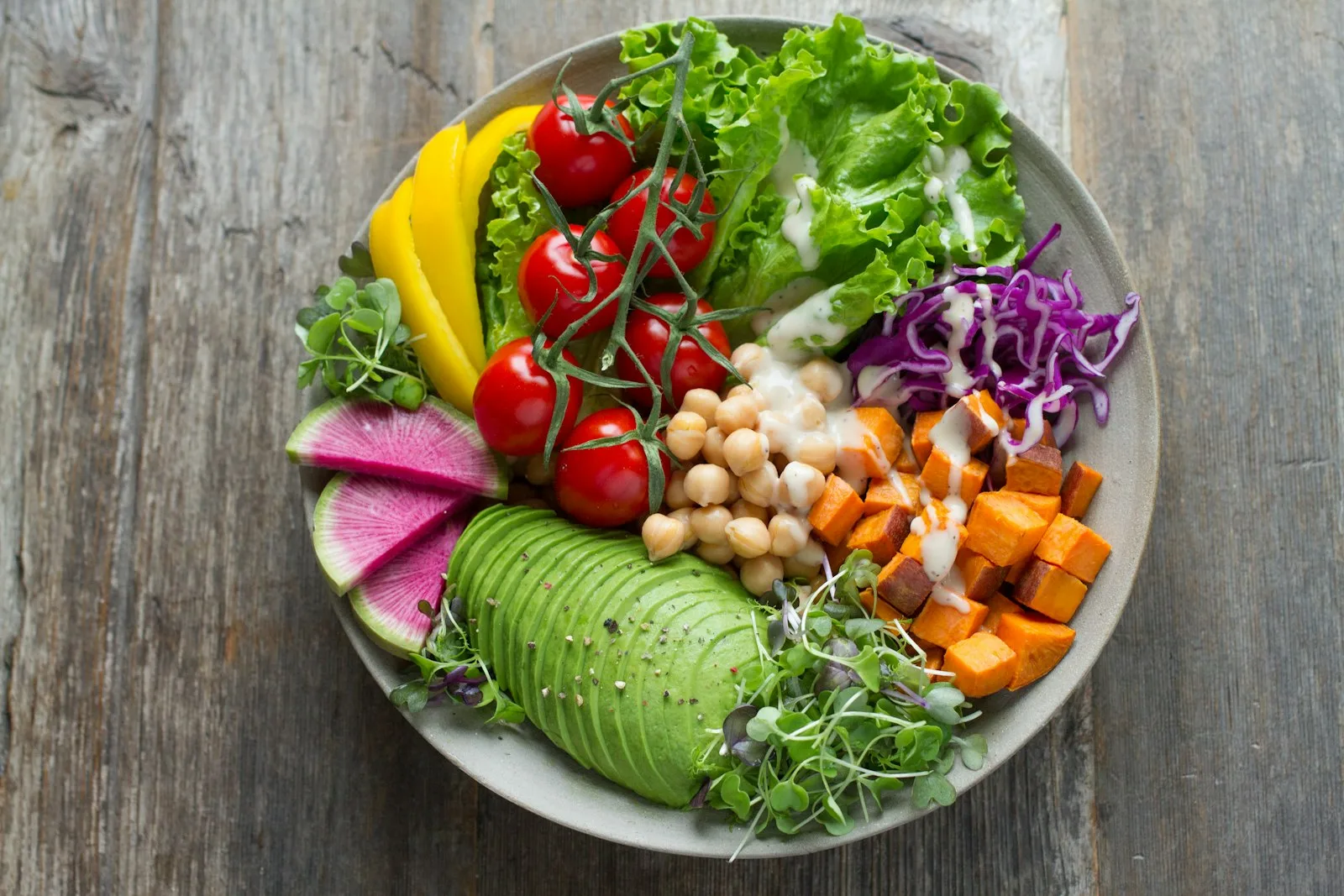
An Ayurvedic pantry focuses on whole, unprocessed ingredients like basmati rice, red lentils, ghee, and warming spices such as ginger and turmeric. These staples are easy to digest and versatile for daily cooking. Always consult with a qualified healthcare professional or nutritionist before making significant dietary changes, especially if you have existing health conditions or take medications.
Ayurveda emphasizes the importance of food as a foundation for daily well-being. Rather than a complex overhaul, building your kitchen involves selecting simple, high-quality ingredients that align with the seasons and your personal needs. This pantry list is designed to help you stock your shelves with versatile basics, making it easier to prepare warm, nourishing meals that support a steady and calm routine in your home.

Best Fit
This guide is best for those curious about Ayurvedic cooking who want to stock a practical kitchen with simple, foundational ingredients that encourage mindful eating and steady, daily nourishment.
Main Problem
Many beginners feel overwhelmed by complex ingredient lists or strict dietary rules. This guide solves that by focusing on accessible, whole-food staples that simplify meal preparation and reduce daily stress.
What To Check First
Before you head to the store, prioritize these five categories to create a functional, supportive kitchen environment that makes daily meal preparation both simple and intentional.
- Easy to digest basmati rice
- Split red or yellow lentils
- High quality grass-fed ghee
- Whole warming digestive spices
- Organic seasonal root vegetables
Comparison Table
| Decision Point | How To Think About It |
|---|---|
| Grains | Prioritize light, easy-to-digest grains like white basmati rice or quinoa. These provide a steady energy base for your meals without feeling heavy or difficult to process. |
| Legumes | Keep red or yellow split lentils on hand. They cook quickly and are generally easier on the digestive system compared to larger, darker beans or chickpeas. |
| Healthy Fats | Ghee is a traditional pantry staple used for cooking and balancing heat. It is a stable fat that adds richness to your meals while supporting digestion. |
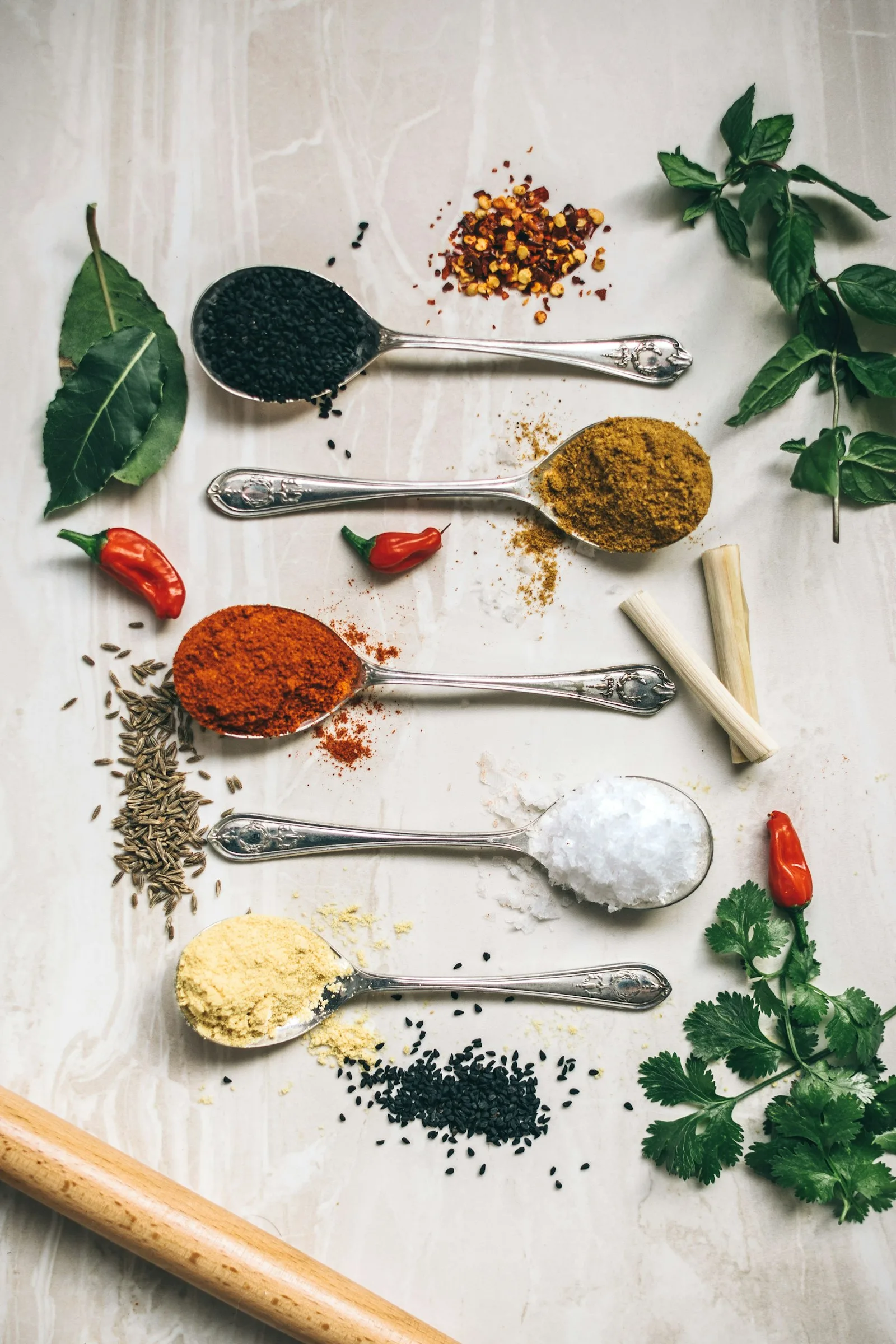
| Spices | Focus on warming, non-irritating spices like ginger, cumin, coriander, and turmeric. These enhance flavor while gently encouraging your body to process food more efficiently during meals. |
Simple Starter Plan
- Audit your current shelves and clear out processed items that no longer serve your health goals.
- Purchase small amounts of fresh, high-quality basmati rice and split lentils to test your cooking rhythm.
- Add one or two warming spices like ginger or cumin to your next grocery shopping trip.
- Prepare a simple, one-pot kitchari or rice dish to practice using your new, foundational pantry staples.
Related Product Searches
As an Amazon Associate, this site may earn from qualifying purchases.
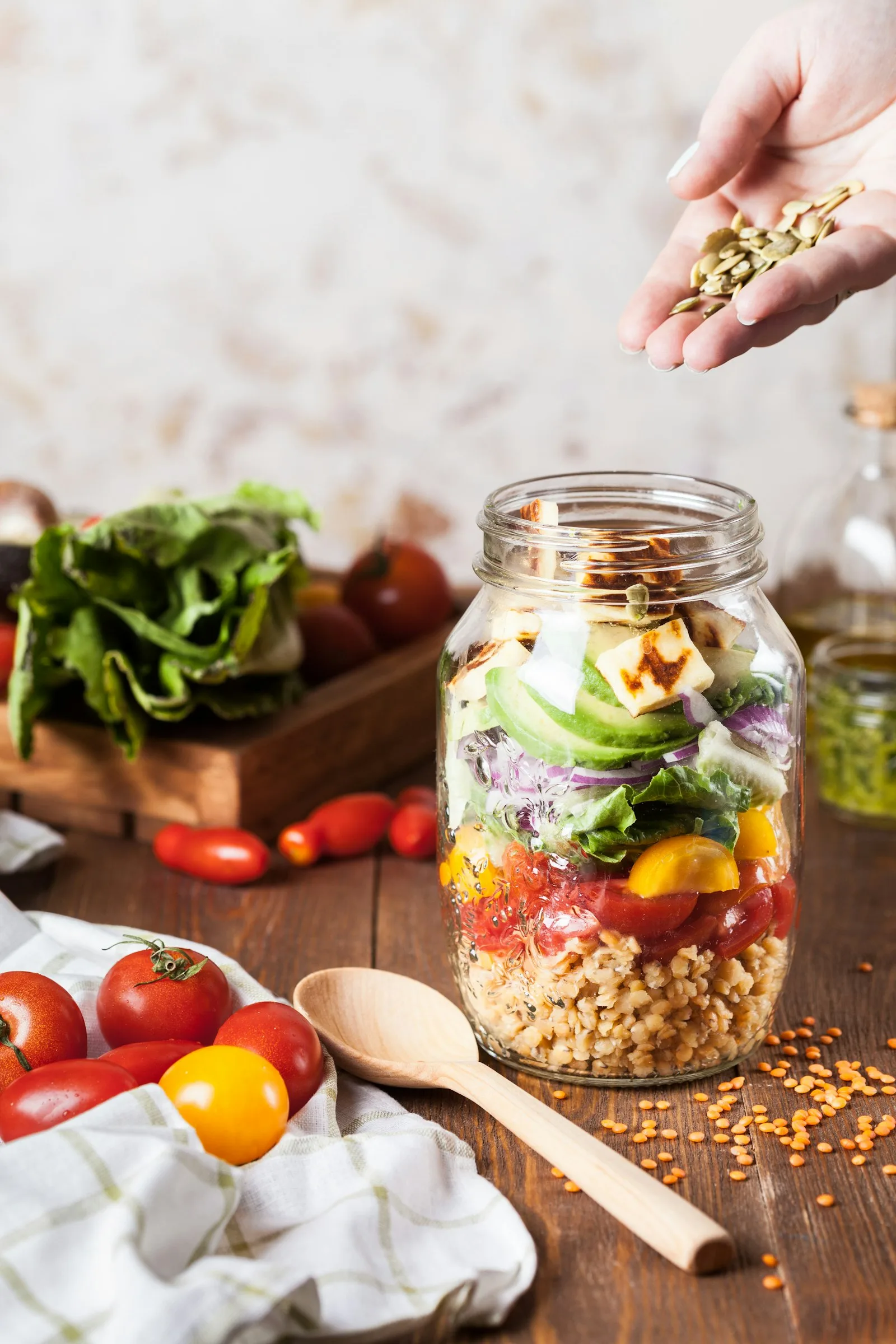
Airtight Glass Storage Jars
Keep your Ayurvedic herbs, grains, and spices fresh and organized in your kitchen with these durable glass storage containers.
View on AmazonAyurvedic Cooking Recipe Books
Explore traditional preparation methods and balanced meal ideas with these highly-rated cookbooks focused on Ayurvedic cooking principles and pantry staples.
View on AmazonStainless Steel Spice Tins
Organize your essential Ayurvedic spices in this traditional multi-container spice box for easy access while cooking your daily nutritious meals.
View on AmazonCommon Mistakes
Avoid these common pitfalls as you begin organizing your kitchen for a more balanced way of eating.
- Buying too many bulk items at once
- Ignoring the importance of food freshness
- Overcomplicating meals with too many ingredients
Bottom Line

Starting your Ayurvedic journey is about small, consistent steps in the kitchen. By choosing simple, whole ingredients, you create a supportive environment for your health. Always check with a doctor or qualified practitioner before changing your diet, particularly if you are pregnant, nursing, or managing specific health conditions or medications.
FAQ
Are all these pantry items suitable for everyone?
Not necessarily. Everyone has unique needs based on their constitution and health history. Please consult a qualified healthcare professional before making changes to your diet to ensure these foods are safe and appropriate for your specific health requirements and any medications you currently take.
Do I need to buy organic ingredients?
While many people prefer organic for quality, it is not a strict requirement for starting. Focus on sourcing fresh, whole foods that fit your budget. Prioritize clean, unprocessed ingredients whenever possible, and always wash produce thoroughly before use to ensure you are preparing your meals safely.
Can I use these foods to treat health issues?
Ayurveda is a lifestyle approach, not a medical treatment. Food is used to support general well-being, but it cannot replace medical care. If you have concerns about your health, please speak with a medical professional rather than attempting to self-diagnose or treat conditions with specific foods or herbs.