Quick Answer
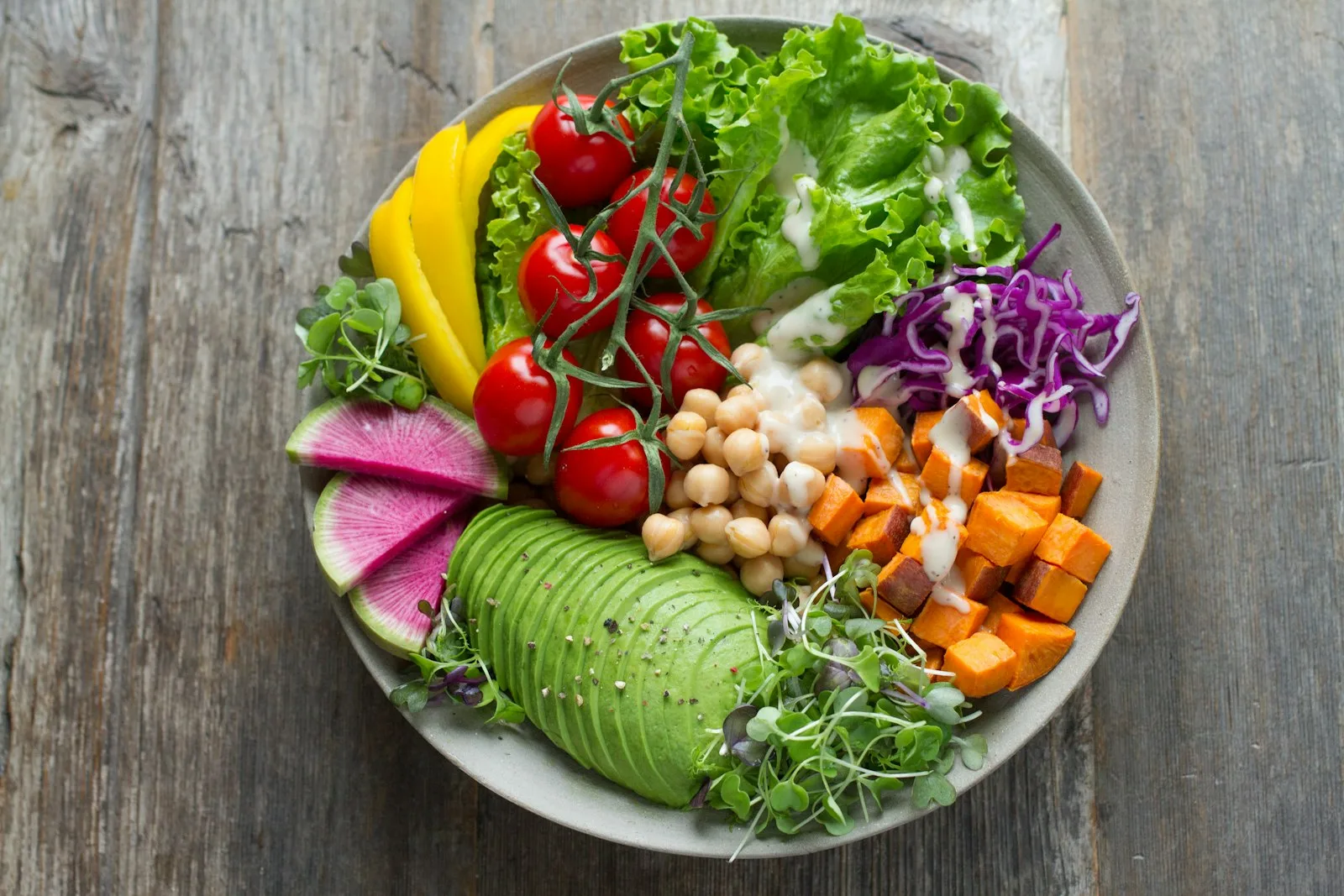
Kapha-balancing meals prioritize light, dry, and warm foods. Focus on steamed vegetables, pungent spices like ginger and black pepper, and lighter grains such as quinoa or barley. These meals aim to reduce heaviness and encourage energy throughout the day. Always consult a qualified practitioner or healthcare provider regarding specific dietary changes, especially if you have underlying health conditions or take medication.
In the Ayurveda tradition, the kapha dosha is associated with structure, stability, and moisture. When you feel sluggish or heavy, choosing the right foods can help restore a sense of lightness and clarity. These kapha meal ideas focus on warm, freshly cooked ingredients that are easy to digest and naturally invigorating. By emphasizing pungent, bitter, and astringent tastes, you can create a balanced plate that supports your overall well-being and daily vitality.

Best Fit
These meal ideas are best suited for beginners looking to incorporate Ayurveda principles into their kitchen to support a balanced lifestyle, particularly during the cooler, damp seasons of the year.
Main Problem
Many modern diets rely on heavy, processed, or cold foods that can leave you feeling lethargic. Kapha-balancing meals address this by shifting focus toward textures and flavors that stimulate digestion.
What To Check First
Before adjusting your diet, consider these foundational principles to ensure your choices remain supportive, safe, and balanced for your unique needs and current lifestyle:
- Prioritize warm and freshly cooked meals
- Include pungent spices like ginger
- Choose lighter grains over heavy wheat
- Emphasize seasonal, steamed green vegetables
- Avoid cold or iced beverages
Comparison Table
| Decision Point | How To Think About It |
|---|---|
| Cooking Method | Focus on steaming, baking, or sautéing with minimal oil. Avoid deep-frying or heavy, creamy sauces that can increase feelings of stagnation and heaviness after eating. |
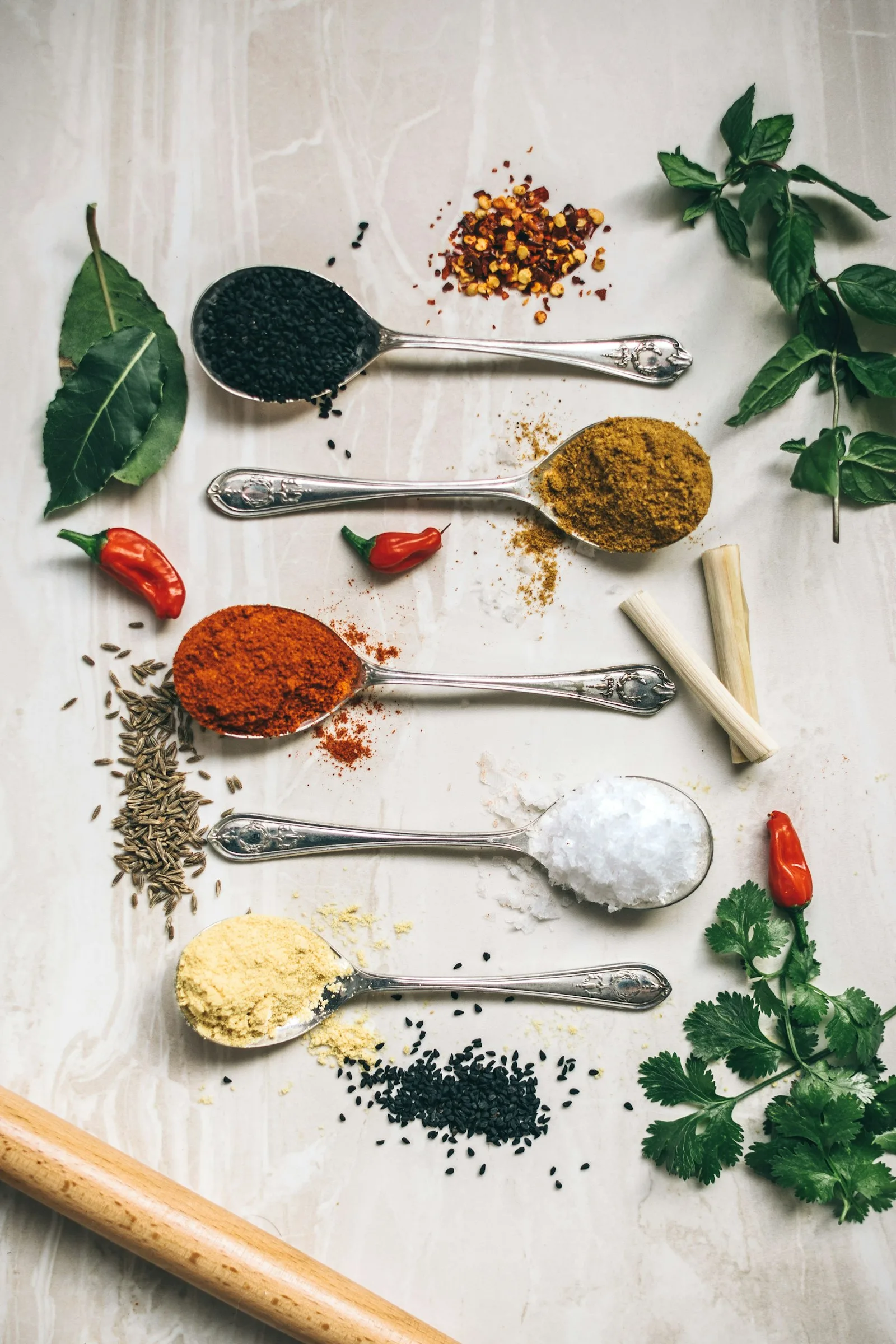
| Flavor Profile | Incorporate pungent, bitter, and astringent tastes. Use spices like black pepper, mustard seeds, and turmeric to add warmth and support natural digestion during your daily meals. |
| Grain Selection | Opt for lighter grains such as quinoa, barley, or millet. These provide satisfying energy without the heavy, dense quality often associated with wheat or refined white rice. |
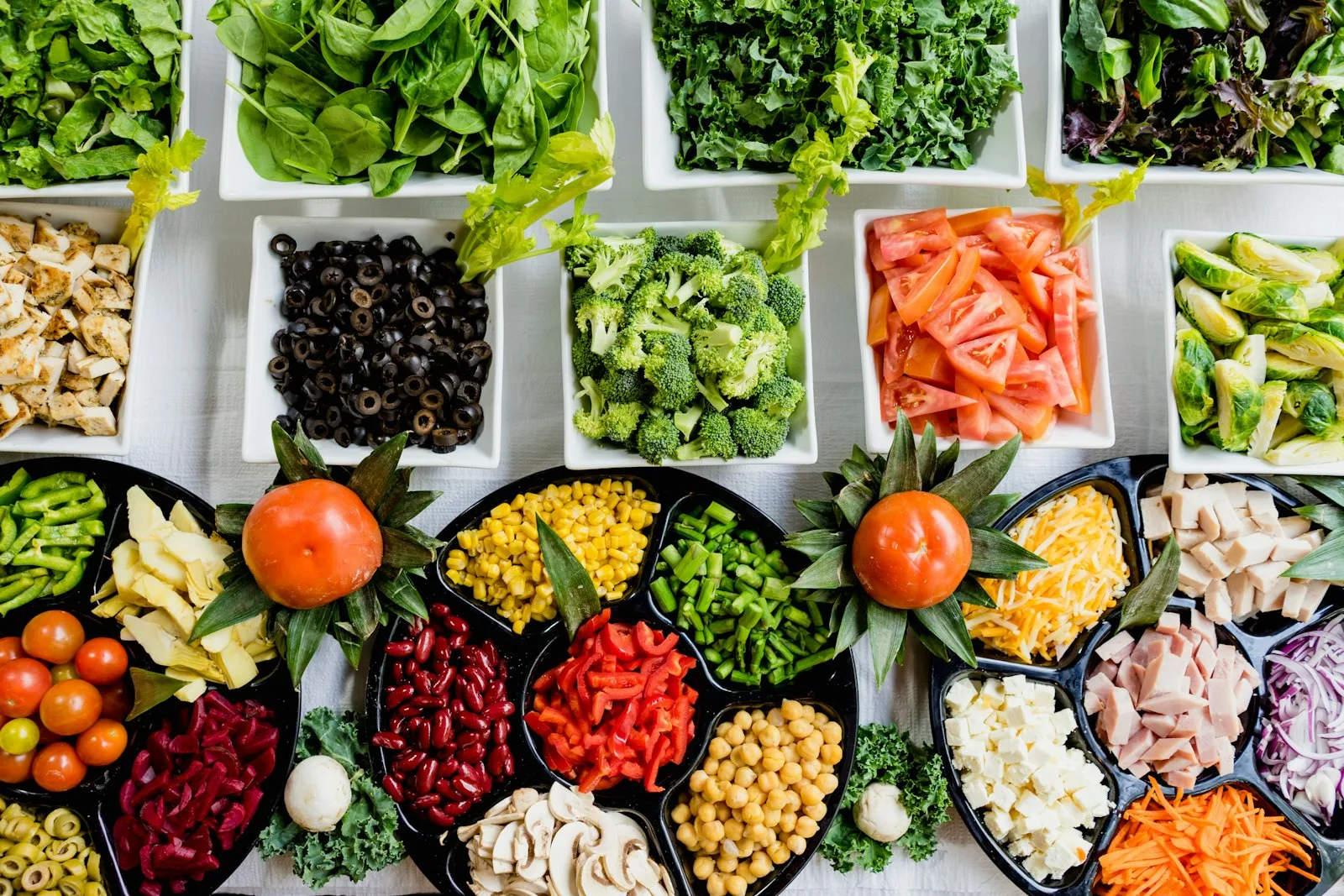
| Vegetable Choices | Select leafy greens, broccoli, cauliflower, and asparagus. These vegetables are naturally light and provide essential nutrients while helping to maintain a feeling of physical lightness. |
Simple Starter Plan
- Start your morning with warm water and a slice of fresh ginger to gently wake up your digestion.
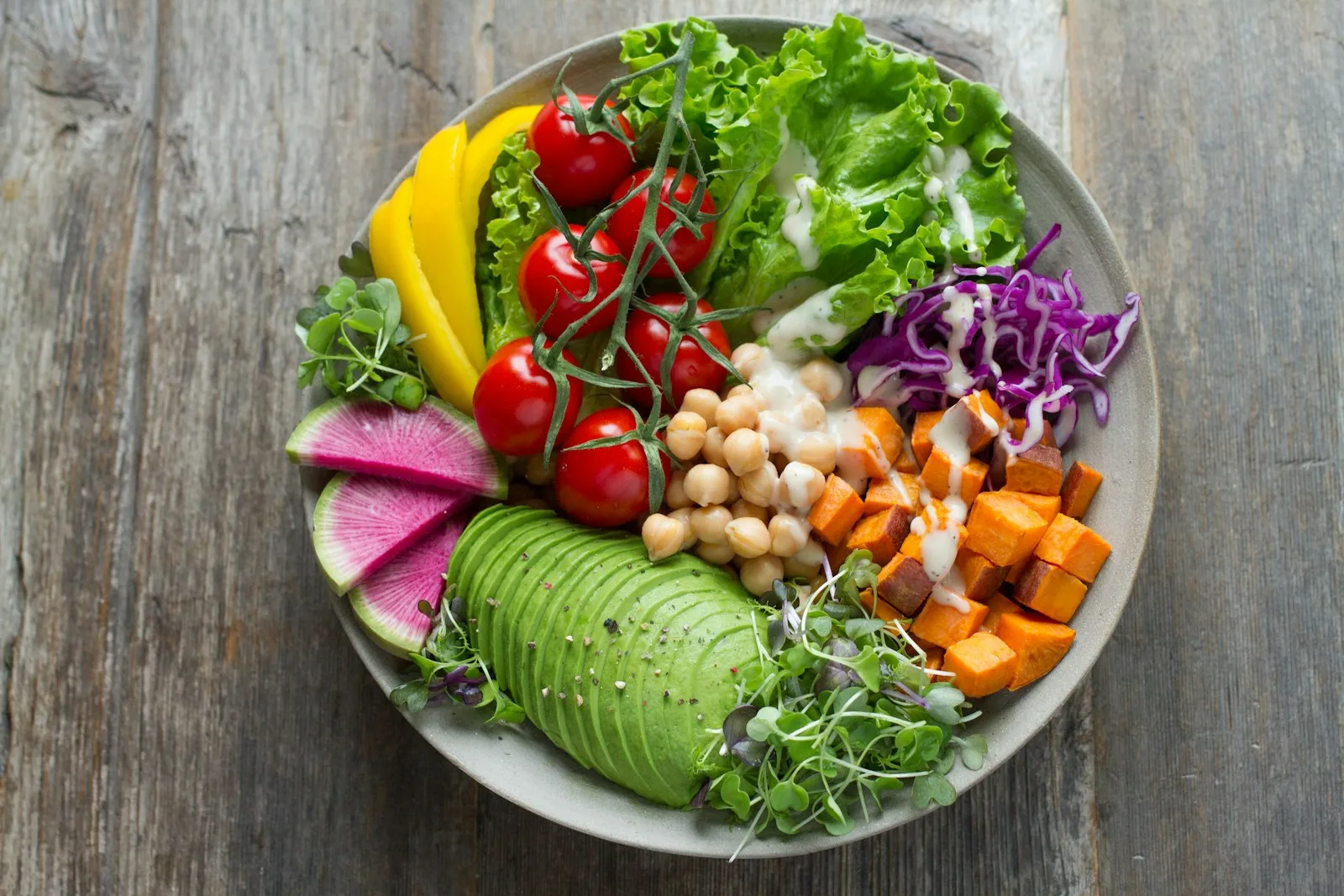
- Prepare a lunch featuring steamed seasonal vegetables seasoned with black pepper, cumin, and a touch of turmeric.
- Choose lighter dinners like a small bowl of vegetable soup or quinoa to avoid feeling heavy before sleep.
- Practice mindful eating by sitting down in a calm environment to fully enjoy the flavors of your food.
Related Product Searches
As an Amazon Associate, this site may earn from qualifying purchases.
Ayurvedic vegetarian cookbooks
Explore a variety of traditional recipes designed to support your wellness journey through balanced and mindful daily meal preparation.
View on AmazonStainless steel spice containers
Organize your essential kitchen spices effectively to keep your cooking space tidy and your ingredients fresh for every meal.
View on AmazonGlass food storage jars
Keep your pantry staples well-preserved and easily visible with these durable glass containers designed for long-term kitchen organization needs.
View on AmazonCommon Mistakes

Avoiding these common pitfalls will help you maintain a consistent and balanced approach to your meals.
- Eating heavy or cold foods late at night
- Relying on excessive dairy or sweet ingredients
- Ignoring your body's signals of fullness
Bottom Line

Embracing lightness in your diet is a gentle way to support your natural energy. Focus on warm, spiced, and fresh ingredients to feel your best. Please remember that dietary adjustments should be discussed with a qualified healthcare professional, especially if you have existing medical conditions, are pregnant, or are currently taking any medications.
FAQ
Can I eat raw salads for kapha?
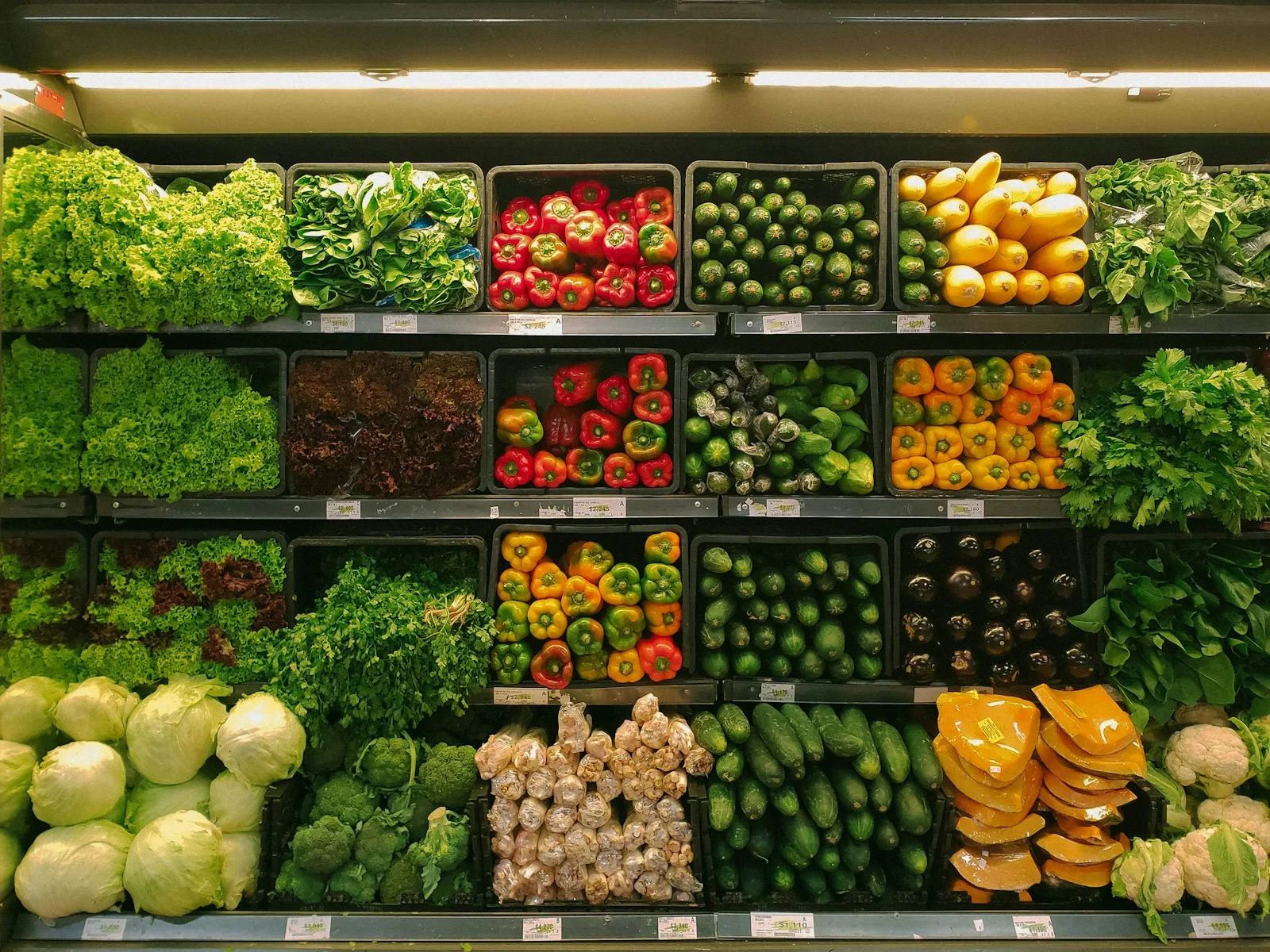
While raw vegetables are healthy, Ayurveda often suggests that cooked, warm vegetables are easier to digest for those with kapha tendencies. Lightly steaming your greens can make them more approachable and supportive for your system.
Is fruit allowed in a kapha diet?
Lighter fruits like apples, pears, and berries are generally preferred over heavy, dense, or very sweet fruits like bananas or melons. Enjoying fruit in moderation and at room temperature is usually recommended.
Should I consult a doctor before changing my diet?
Yes, it is important to consult a qualified professional or healthcare provider before making significant dietary changes. This ensures that your choices are safe and appropriate for your specific health needs and medications.